Welcome to the complete reading guide for “Comparison Table of Grades of CNC Machining Materials in Various Countries.” This guide goes into depth about the most important parts of CNC cutting materials, how important material grades are, and what the comparison table is for. This guide aims to help readers choose the right material grade for their CNC machining projects by comparing the different material grade methods used around the world.
The comparison table is a tool that shows how different countries grade materials using different methods. By comparing these systems, it’s easier to see how they are similar and different in how they group and name things. This makes it easy for CNC machining projects to choose the right material.
1. Basics of CNC Machining Materials
1.What are CNC machining materials?
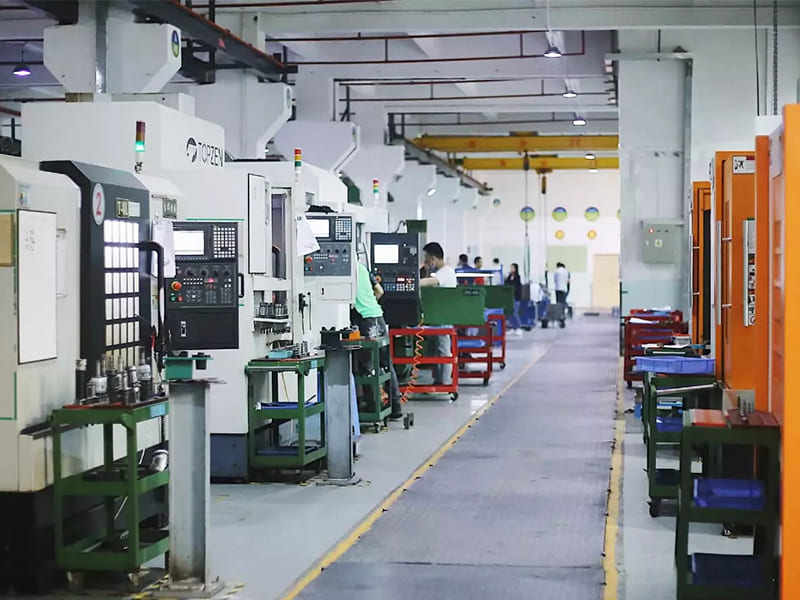
CNC machining is the process of making parts and components with a machine tool that is controlled by a computer. In this process, raw materials like metals, plastics, and ceramics are cut, drilled, and shaped to make the final product.
2. Why material grades is importance in CNC machining ?
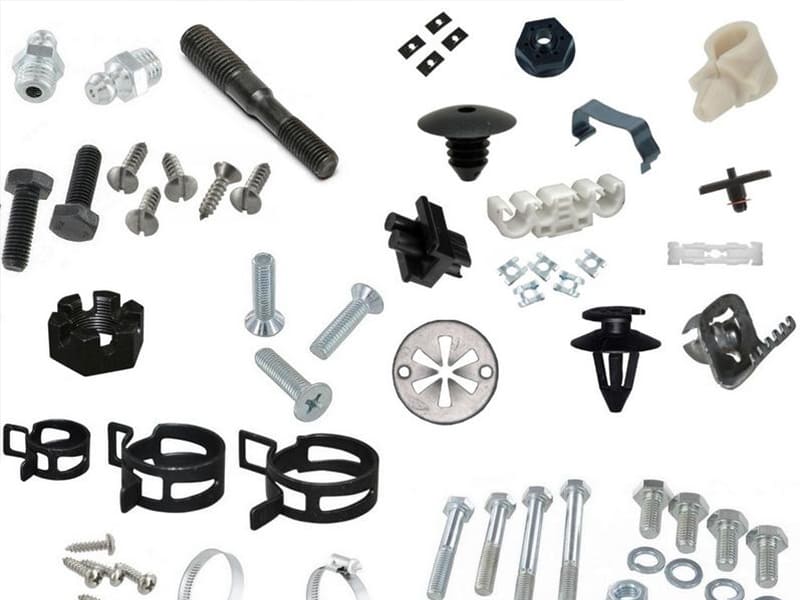
The material used to make a CNC-machined part affects its quality and performance. Materials are put into different grades based on their composition, how they move, and other factors. To make sure that the final product meets the specifications, durability, and safety requirements, it is important to choose the right material grade.
3. Purpose of the comparison table
The comparison table is a tool that shows how different countries use different systems to grade materials. By comparing these systems, it’s easier to see how the way materials are grouped and labeled is similar and different. This makes it easier to choose the right material for CNC machining projects.
2.Material Grade Systems
1. Overview of material grade systems in different countries:
Material grade systems are used all over the world to put things into groups based on their chemical makeup, how they work, and other factors. The American Society for Testing and Materials (ASTM), the Japan Industrial Standards (JIS), and the European Norm are all examples of material grade systems that are used in different countries (EN).
2. Comparison of the classification and numbering systems:
Different material grade systems use different ways to classify and number their materials. This makes it hard to compare and choose materials for CNC machining. For example, some systems classify things with letters, numbers, or a mix of both. But by comparing and contrasting these systems, it becomes easier to see where they are similar and where they are different and to choose the best grade of material for a given project.
3. Explanation of the criteria used to determine material grades:
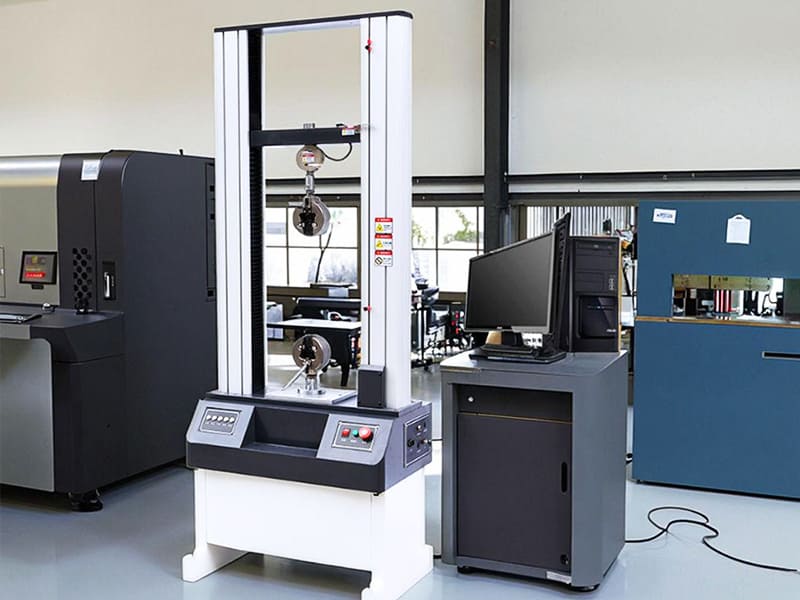
What makes a material a certain grade depends on what it is made of and what it will be used for. Metals, for example, are graded by their strength, hardness, and ability to bend. Plastics, on the other hand, are graded by their chemical composition and resistance to corrosion. These criteria are used to figure out how good a material is, how well it works, and if it’s right for a certain job.
3. Comparison Table
1. Table format and layout:
Most of the time, the comparison table is set up in a tabular format that makes it easy to compare the grades of materials from different countries. The table may have headings like “material name,” “material grade,” “chemical composition,” “mechanical properties,” and “applications.”
2. Materials included in the table:
What’s in the table depends on how big the comparison is and what it’s for. The table might have a lot of different materials, like metals, plastics, and ceramics, as well as their grades from different systems.
3. Description of columns in the table:
Most of the time, the columns in a comparison table list the name, grade, chemical composition, and mechanical properties of each material. In the chemical composition column, you might find information like the percentage of certain elements in the material. In the mechanical properties column, you might find information like the hardness, strength, and ductility of the material. The application column could also be added to give information about how the material grade is usually used.
Table:Comparison Table of Commonly Used Material Models in Various Countries

Comparison table of commonly used material models in various countries 1080×514
4. Analysis of Comparison Table
1.Comparison of material grades in different countries:
The comparison table lets you compare the grades of materials from different countries side by side, so you can see where they are similar and where they are different.
2. Identification of similarities and differences:
The comparison table can help people see how materials are graded, categorized, and labeled in different countries and how they are the same or different. For example, a country’s system for grading materials might use a different numbering system than that of another country. On the other hand, different countries may use different standards to decide how to grade materials.
3. Explanation of the significance of the differences:
How important the differences between material grade systems are depends on what the CNC machining project calls for. For example, if the project needs a certain grade of material that is only available in one country, it may be necessary to convert the material grade to a different system to make sure it works with the CNC machining process. In the same way, the different ways of grading materials can change their cost, availability, and suitability for a given application. To choose the right material grade for CNC machining projects, you must understand these differences.
5. Conclusion
1. Summary of the main points:
The table that compares the grades of CNC machining materials in different countries gives an overview of the different systems that are used around the world to classify CNC machining materials. By looking at the comparison table, you can see how these systems are similar and how they are different. This makes it easier to choose the best material for CNC machining projects.
2. Importance of understanding material grades for CNC machining:
For CNC machined parts to be of good quality, work well, and be safe, the right material grade must be correctly specified. Understanding how different countries use different material grade systems can help you choose the right material and make the CNC machining process more efficient.
3. Suggestions for further research:
More research can be done to find out how material grade systems affect CNC machining projects and to come up with more thorough and standard material grade systems for CNC machining. Also, future research can look into how well artificial intelligence and machine learning can be used to choose the best materials for CNC machining applications.
About the Author: Gavin Xia