In the fields of materials and manufacturing, metalloids play a key role as unique elements with properties similar to those of metals and non-metals. Silicon and germanium, for example, occupy a special position due to their multifunctional properties.
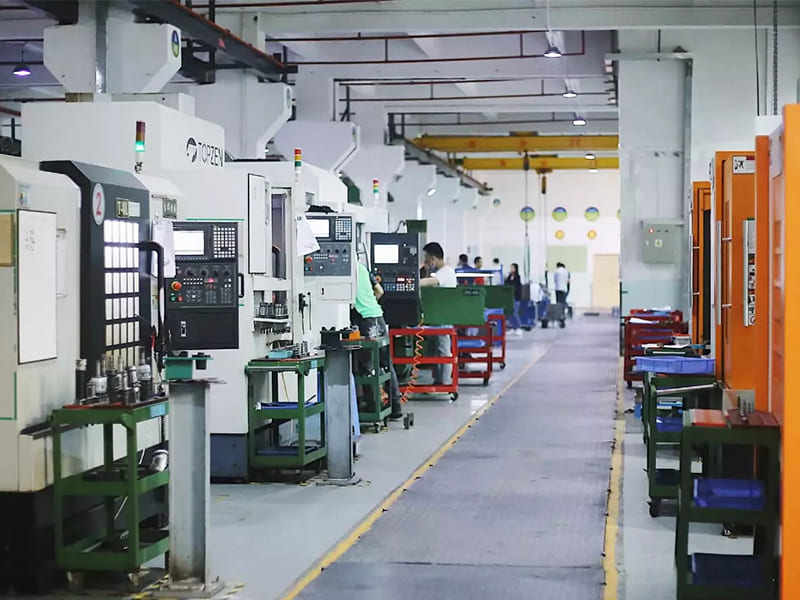
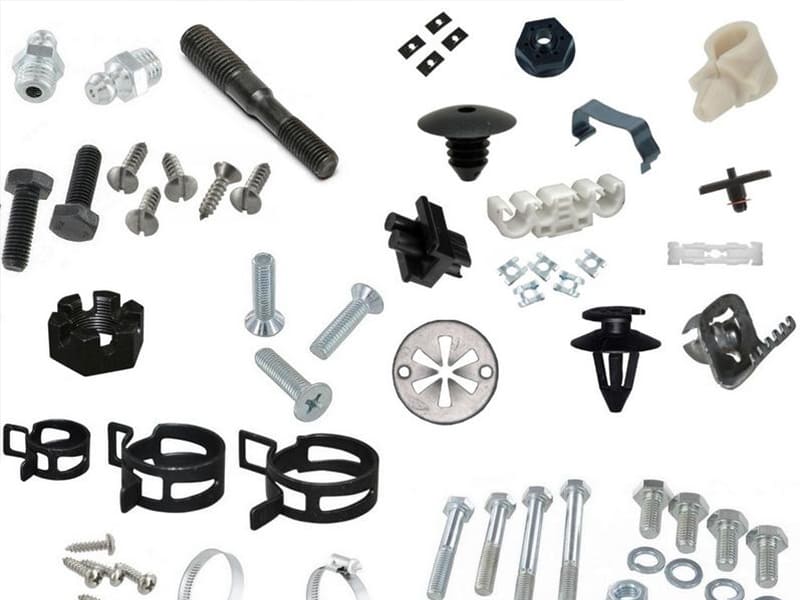
Metalloids have intermediate properties that allow the material to be tailored to specific needs. This understanding is especially important in the production of machine parts where accuracy and performance are critical. By taking advantage of the unique properties of non-metals, engineers can fine-tune mechanical components to improve durability, conductivity and other key properties.
What is Metalloids ?
Metalloids are a unique class of elements found in the periodic table that bridge the properties of metals and nonmetals. Unlike metals (which usually exhibit good electrical conductivity and a shiny appearance) and non-metals (which are usually poor conductors and lack metallic luster), non-metals are somewhere in between. They have a variety of properties that make them unique and valuable in a variety of applications.
These elements typically lie on the zigzag boundary between metals and nonmetals on the periodic table and include elements such as boron, silicon, germanium, arsenic, antimony, and tellurium. The defining characteristic of metalloids is their ability to exhibit both metallic and nonmetallic properties, making them versatile building blocks in materials science.

What are the Intermediate Properties Between Metals and Non-metals
Metalloids exhibit a fascinating range of properties, intermediate between metals and non-metals. While they can conduct electricity to some extent, their conductivity is not as high as that of pure metals. Likewise, metalloids may exhibit a metallic sheen, but it’s not as noticeable as metals. Furthermore, their ability to form alloys with metals further demonstrates their intermediary nature. This unique combination of properties makes metalloids crucial in developing materials that meet specific requirements.
Properties of Metalloids
Physical Properties
-
Metallic Luster
Metalloids exhibit a distinctive metallic luster, which refers to their ability to reflect light like metals. This characteristic imparts a shiny appearance to elements such as silicon and germanium, setting them apart from non-metals.
-
Electrical Conductivity
Unlike typical non-metals, metalloids possess intermediate electrical conductivity. This property makes them valuable in applications where controlled electrical flow is essential, contributing to their use in electronic components and semiconductors.
-
Malleability and Ductility
While not as malleable and ductile as pure metals, metalloids display a certain degree of these properties. This means they can be shaped and stretched to some extent, adding to their utility in manufacturing processes.

Si
Chemical Properties
-
Reactivity with Acids and Bases
Metalloids showcase varied reactivity with acids and bases. This diversity allows for tailored applications in chemical processes, making them indispensable in industries requiring controlled reactions.
-
Formation of Alloys with Metals
Metalloids play a crucial role in the formation of alloys when combined with metals. These alloys often possess enhanced properties, such as increased strength or improved corrosion resistance, making them valuable in custom manufacturing.
-
Role in Semiconductor Industry
A standout feature of metalloids is their pivotal role in the semiconductor industry. Elements like silicon are fundamental to the creation of semiconductors, acting as the backbone for electronic devices and technological advancements.

boron
Common Applications of Metalloids
- Semiconductor Industry:
– Silicon, a well-known metalloid, is a fundamental component in the semiconductor industry. Silicon wafers are used as the substrate for manufacturing integrated circuits and other electronic components.
- Alloy Formation:
– Metalloids like boron and silicon are often used in the creation of specialized alloys. These alloys exhibit unique properties, such as increased strength, durability, and resistance to corrosion, making them valuable in manufacturing custom parts for diverse applications.
- Electronics and Solar Cells:
– Metalloids, particularly germanium and selenium, find applications in the production of electronics and solar cells. Germanium, for example, is used in the manufacture of infrared optical devices, while selenium is utilized in photovoltaic cells for solar energy conversion.
- Glass Manufacturing:
– Boron, a metalloid, is commonly used in the glass industry. Borosilicate glass, known for its high resistance to thermal expansion, is used in the production of laboratory glassware and high-quality optics.
- Nuclear Reactors:
– Boron, in the form of boron carbide, is used as a control rod material in nuclear reactors. Its ability to absorb neutrons makes it crucial for regulating nuclear fission reactions.
- Pharmaceuticals:
– Arsenic, another metalloid, has applications in the pharmaceutical industry. Compounds containing arsenic have been historically used in medicinal treatments, although their use has diminished due to toxicity concerns.
- Fire Retardants:
– Antimony, classified as a metalloid, is used in the production of fire retardants. Antimony compounds can inhibit the ignition and spread of flames, making them valuable in materials designed to resist fire.
- Metallurgy:
– Metalloids are sometimes added to metals to impart specific properties. For instance, adding boron to steel can improve its hardness and wear resistance, making it suitable for cutting tools and other high-wear applications.
- Ceramic Industry:
– Silicon, as a metalloid, plays a role in the ceramic industry. Silicon carbide, a compound of silicon and carbon, is used in the production of high-performance ceramics and abrasive materials.
The role of nonmetals in custom machining and part manufacturing
Customized alloys with specific properties
By combining nonmetals with metals, manufacturers can design alloys with customized properties. For example, adding nonmetals like boron or silicon to steel can give the alloy increased strength, durability, and other desirable properties.
Improve mechanical properties
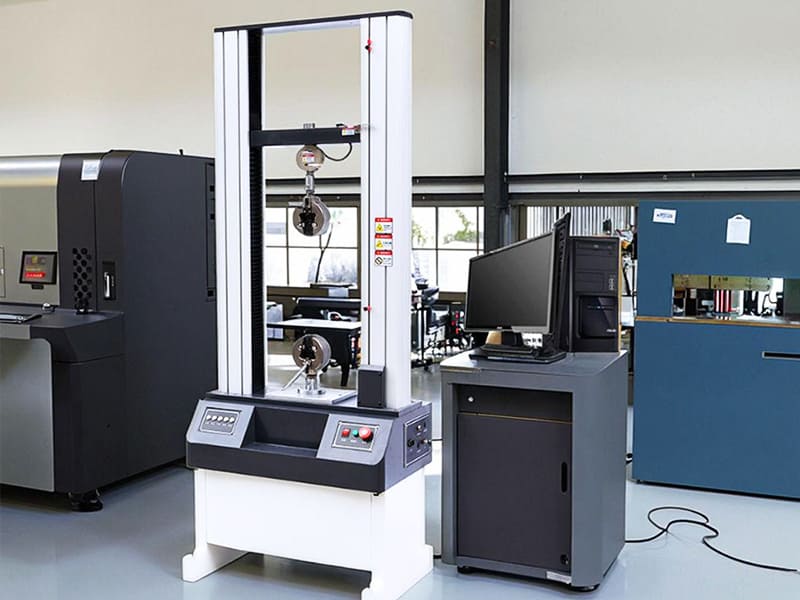
Incorporating non-metals into custom manufacturing can significantly impact the mechanical properties of the final part. These elements help fine-tune components, affecting factors such as stiffness, flexibility and conductivity. Engineers exploit the unique properties of nonmetals to optimize the performance and reliability of mechanical parts in a variety of applications.
Conclusion
Metalloids play a vital role in shaping the performance and durability of mechanical parts in industries. The unique properties of metalloids, such as their ability to enhance strength and conductivity, directly impact the effectiveness of the components in which they are embedded.
Metalloids offer a range of customization possibilities for mechanical parts, allowing engineers to tailor materials to specific applications. Whether it’s improving heat resistance, electrical conductivity or corrosion resistance, incorporating metalloids can create parts that are fine-tuned to meet the requirements of different industries. This adaptability ensures that mechanical parts can be customized for a wide range of applications, from aerospace to electronics.
FAQs
About the Author: Gavin Xia