Dies and molds are both tools for shaping. Dies are used to shape sheet metal and other metal forms. A typical application is the making of automobile body parts. On the other hand, molds are used in injection molding such as with melted resin or casting molten metal.
What is Mold?
In the context of mechanical engineering and manufacturing, a mold refers to a hollowed-out or shaped cavity that is used to give form to a material, typically through a casting or molding process. Molds are essential in creating precise and consistent shapes for various products. They are commonly used in the production of items made from materials like metal, plastic, glass, and ceramics.
The process of molding involves pouring or injecting a molten or pliable material into the mold, allowing it to solidify or set, and then removing the finished product. Molds are crucial in mass production, enabling the efficient and uniform manufacturing of intricate parts and components.
There are various types of molds, each tailored to specific manufacturing processes. For example, injection molds are used in injection molding processes where molten material is injected into the mold under high pressure. Other types include compression molds, blow molds, and extrusion molds, each serving a unique purpose in the production of diverse products across industries such as automotive, aerospace, consumer goods, and more.

mold and die
Typical Types of Molds
There are several types of molds used in manufacturing, each designed for specific processes and materials. Here are some typical types of molds:
-
Injection Molds:
Description: Used in injection molding processes where molten material, often plastic, is injected into the mold cavity.
Applications: Commonly used for producing plastic parts in industries such as automotive, electronics, and consumer goods.
-
Compression Molds:
Description: Materials are placed in the mold, and pressure is applied to compress and shape the material.
Applications: Ideal for producing large, high-strength composite parts and components.
-
Blow Molds:
Description: Utilized in blow molding processes where a hollow tube of plastic (parison) is inflated to the shape of the mold.
Applications: Frequently used for producing bottles, containers, and other hollow plastic items.
-
Extrusion Molds:
Description: Material is forced through a shaped opening or die to produce a continuous profile or shape.
Applications: Common in the production of pipes, tubing, and other linear products with consistent cross-sections.
-
Die Casting Molds:
Description: Used in die casting processes where molten metal is injected into the mold under high pressure.
Applications: Widely employed for manufacturing metal parts with high precision, often used in automotive and aerospace industries.
-
Sand Molds:
Description: Sand is packed around a pattern to create a mold cavity, typically used in metal casting.
Applications: Foundry industry for casting metals like iron, aluminum, and bronze.
-
Rubber Molds:
Description: Flexible molds made of rubber or elastomeric materials to produce flexible or intricate parts.
Applications: Used for casting materials like concrete, plaster, or certain types of resins.
-
Plaster Molds:
Description: Made from plaster of Paris, these molds are often used in ceramics and pottery for creating intricate shapes.
Applications: Common in artistic and small-scale production of ceramic items.
What Materials does the Mold Use?
The choice of materials for molds depends on the specific manufacturing process, the type of material being molded, and the desired properties of the final product. Here are some common materials used for making molds:
-
Metal Alloys:
Steel: Often used for injection molds, die casting molds, and other applications requiring high durability and heat resistance.
Aluminum: Used in various mold types, especially where a lighter material is preferable, such as in prototype tooling.
-
Plastics:
Polyethylene (PE), Polypropylene (PP): Commonly used for creating simple and cost-effective molds for low-volume production or prototyping.
Epoxy Resins: Suitable for making molds for small-scale production and intricate parts.
-
Silicone:
Description: Flexible and elastic, silicone molds are often used for casting materials like concrete, plaster, or certain types of resins.
Applications: Popular for creating molds for artistic and craft applications due to their flexibility and ease of demolding.
-
Rubber:
Natural Rubber or Synthetic Rubbers (e.g., Polyurethane): Flexible rubber molds are used for casting flexible or intricate parts.
-
Composite Materials:
Fiberglass Reinforced Plastics (FRP): Combining fiberglass with resin, FRP molds are lightweight, durable, and suitable for various applications.
Carbon Fiber Reinforced Polymers (CFRP): Known for their strength-to-weight ratio, these molds are used in high-performance applications.
-
Plaster of Paris:
Description: Plaster molds are common in ceramics and pottery for creating intricate shapes.
Applications: Ideal for artistic and small-scale production of ceramic items.
-
Ceramics:
Description: High-temperature ceramics are used for certain types of molds, especially in applications where extreme temperatures are involved.
Applications: Found in specialized molds for processes like glass casting.

die casting mold 600×400
What is a Die?
In the context of manufacturing and engineering, a die refers to a specialized tool or mold used to shape, cut, or form materials into a specific shape or configuration. Dies are essential components in various industrial processes and are employed in the production of a wide range of products across different industries.
Here are some common types of dies and their applications:
-
Stamping Dies:
Description: Stamping dies are used in metal stamping processes to cut, bend, or form sheet metal into specific shapes. They consist of a set of metal blocks with cutting and forming components.
Applications: Used in the automotive industry for producing car body parts, as well as in the manufacturing of appliances and metal components.
-
Extrusion Dies:
Description: Extrusion dies are utilized in the extrusion process, where a material is forced through a die to create a continuous profile or shape. This is commonly used for producing plastic or metal profiles.
Applications: Used in the production of plastic pipes, tubing, and metal profiles for construction and industrial applications.
-
Forging Dies:
Description: Forging dies are employed in the forging process to shape metal through the application of force and heat. They come in various forms, including open-die and closed-die configurations.
Applications: Used in the manufacturing of forged components for industries such as aerospace, automotive, and heavy machinery.
-
Drawing Dies:
Description: Drawing dies are used in the drawing process to reduce the diameter or thickness of a material, typically wire or tubing, by pulling it through the die.
Applications: Commonly used in the production of wires, tubes, and other elongated metal components.
-
Cold Heading Dies:
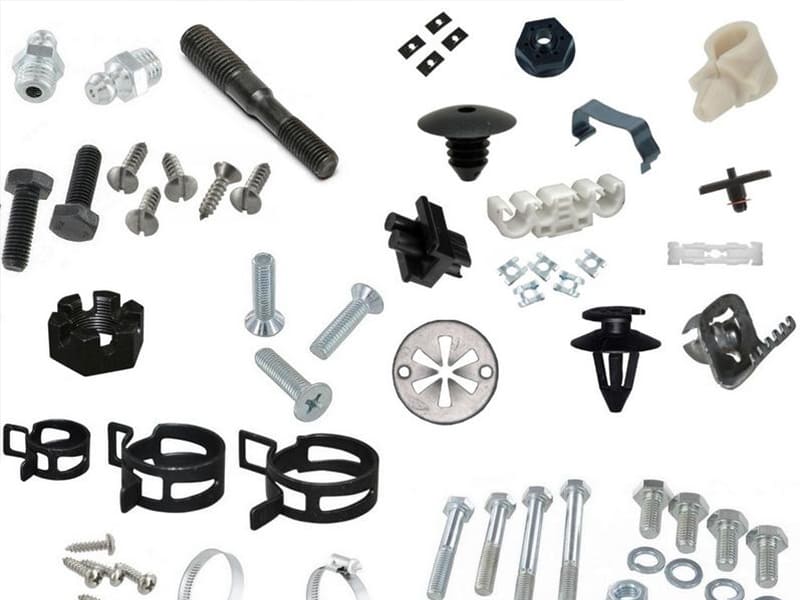
Description: Cold heading dies are employed in the cold heading process to form metal blanks into specific shapes without heating the material. This is often used in fastener production.
Applications: Used in the manufacturing of bolts, screws, and other fasteners.
-
Powder Compaction Dies:
Description: Powder compaction dies are used in the powder metallurgy process to compress and shape powdered metal into a desired form before sintering.
Applications: Common in the production of metal components with intricate shapes and high precision.
Dies play a crucial role in achieving precision and consistency in the manufacturing of parts and components. They are designed to withstand high pressures, temperatures, and repetitive use to ensure the efficient and accurate production of various products.
Typical Types of Dies
There are several types of dies used in manufacturing processes, each designed for specific applications and purposes. Here are some typical types of dies:
-
Blanking Dies:
Description: Blank dies are used to cut flat pieces, or blanks, from sheet metal. They are commonly used in the production of stamped metal components.
-
Piercing Dies:
Description: Piercing dies are designed to create holes or openings in sheet metal or other materials. They are often used in conjunction with blanking dies.
-
Drawing Dies:
Description: Drawing dies are used to reduce the diameter or thickness of a material, typically metal wire or tubing, by pulling it through the die.
-
Forming Dies:
Description: Forming dies are employed to shape materials into specific three-dimensional forms. They are often used in processes like metal forming and forging.
-
Coining Dies:
Description: Coining dies are used for precision metal forming processes where the material is subjected to high pressure to create detailed and intricate designs.
-
Extrusion Dies:
Description: Extrusion dies are used in the extrusion process to shape materials into a continuous profile or cross-sectional shape. This is common in plastic and metal extrusion.
-
Progressive Dies:
Description: Progressive dies are a series of interconnected dies used in a single tool to perform multiple operations on a workpiece in one pass. They are often used in high-volume production.
-
Swaging Dies:
Description: Swaging dies are used to reduce the diameter or change the shape of a material by forcing it through the die. This process is commonly used in the production of tubes and pipes.
-
Thread Rolling Dies:
Description: Thread rolling dies are used to form threads on a cylindrical workpiece through a cold-forming process, providing better strength and durability.
-
Forging Dies:
Description: Forging dies are used in the forging process to shape metal through the application of force and heat. They can be open dies or closed dies depending on the complexity of the shape.
-
Cold Heading Dies:
Description: Cold heading dies are used to form metal blanks into specific shapes without heating the material. This is common in the production of fasteners like screws and bolts.
-
Trimming Dies:
Description: Trimming dies are used to remove excess material or flash from a formed or molded part, ensuring a clean and precise final product.
These types of dies are crucial in various manufacturing industries, providing the means to shape, cut, and form materials into the desired configurations with accuracy and efficiency. The selection of the appropriate die depends on the specific requirements of the manufacturing process and the type of material being processed.
What Materials does the Die Use?

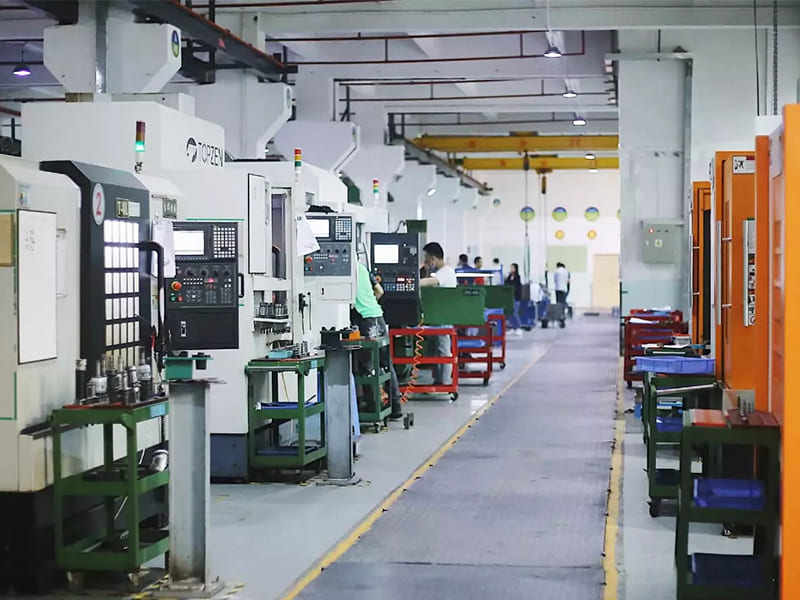
molding workshop 600×400-1
The materials used to make dies depend on the type of die, the manufacturing process, and the materials being worked on. Here are some common materials used to make dies:
-
Tool Steels:
Description: Tool steels are widely used for dies due to their high hardness, wear resistance, and ability to withstand repeated impact and pressure.
Applications: Common in blanking, piercing, forming, and coining dies.
-
High-Speed Steels:
Description: High-speed steels, known for their ability to withstand high temperatures, are used for dies subjected to elevated temperatures during cutting or forming processes.
Applications: Used in cutting dies, such as those in threading or milling operations.
-
Cemented Carbides:
Description: Cemented carbides, often tungsten carbide or tantalum carbide particles embedded in a metal matrix, are extremely hard and wear-resistant.
Applications: Used in applications requiring high wear resistance, such as in progressive dies and cold heading dies.
-
Carbide Inserts:
Description: Carbide inserts are removable cutting edges made of cemented carbide, often used in machining dies for metal cutting processes.
Applications: Common in cutting and machining dies.
-
Ceramics:
Description: High-temperature ceramics are used in dies when extreme temperature resistance is required.
Applications: Found in specialized dies used in processes like glass forming.
-
Diamond and Cubic Boron Nitride (CBN):
Description: Superhard materials like diamond and CBN are used in dies for ultra-precision cutting and forming applications.
Applications: High-precision cutting and forming dies in industries such as aerospace and electronics.
-
Cast Iron:
Description: Cast iron, especially gray iron, is used for less demanding applications where hardness and wear resistance are not critical.
Applications: Found in some forming and stamping dies.
-
Powder Metallurgy Steels:
Description: Powder metallurgy steels are made by compacting and sintering metal powders, providing high strength and wear resistance.
Applications: Used in various types of dies, depending on the specific requirements.
What is the difference between a mold and a die?
While molds and dies serve similar purposes in manufacturing, there are key differences in their applications and functions:
Mold:
- Function: A mold is a tool or cavity used to shape raw material, usually a pliable substance like plastic, metal, or rubber, into a specific form or design.
- Typical Usage: Molds are commonly used in processes such as injection molding, blow molding, and rotational molding to produce a wide range of products like plastic parts, bottles, and containers.
- Material Being Shaped: Molds are typically used with materials that are in a liquid or semi-liquid state (molten or pliable) and take the shape of the mold as they cool or solidify.
- Examples: Injection molds are used in the production of plastic parts, while blow molds are used to create hollow objects like bottles.
Die:
- Function: A die is a tool used to shape or cut materials, often metals or other rigid substances, into specific forms or profiles.
- Typical Usage: Dies are commonly used in processes such as stamping, forging, extrusion, and cutting to produce parts with specific shapes or features.
- Material Being Shaped: Dies are used with solid materials and are involved in processes where the material is subjected to pressure, cutting, or forming to achieve the desired shape.
- Examples: Stamping dies are used in the production of sheet metal components, forging dies shape metal through pressure and heat, and extrusion dies shape materials like plastic or metal into continuous profiles.
Key Differences:
- Material State: Molds typically work with materials in a pliable or molten state, whereas dies work with solid materials that may undergo shaping through cutting, pressing, or forming.
- Processes: Molds are commonly associated with molding processes that involve filling a cavity and allowing the material to solidify, while dies are associated with processes that involve cutting, shaping, or forming solid materials.
- Output: Molds produce the final product by shaping or forming the material, while dies contribute to the shaping or cutting of the material, and additional steps may be needed to complete the final product.
In summary, molds are primarily associated with shaping pliable materials through molding processes, while dies are associated with cutting, forming, or shaping solid materials through various manufacturing processes.
FAQs
About the Author: Gavin Xia