ISO standards are a set of standards that are accepted all around the world. The International Organization for Standardization (ISO) makes these standards. They control products, services, and management systems in different industries. ISO standards give a single way for companies worldwide to keep the same quality and efficiency, no matter what country or market they’re in.
ISO 9001 is the standard for quality management systems that’s used by most companies around the world. The International Organization for Standardization made it. This standard gives companies a way to set up, keep up, and make better their quality management systems. Its aim is to help companies make sure their products and services are what customers want and follow the rules. It also helps companies work better inside.
What is ISO 9001?
ISO 9001 is a really famous quality management standard from the ISO. It gives companies a way everyone can use. This way helps companies make sure their products or services are what customers want and follow the rules.
The main point of ISO 9001 is to manage company work and production in an organized way. By always getting better, companies can make their products and services higher quality. ISO 9001 is all about making customers happy. It tells companies to look at, figure out, and make their processes better. This helps cut down on mistakes and waste and makes work go faster.
ISO 9001 is for any kind of organization. Whether it’s a manufacturing company, a service business, or a non – profit group, they can use it. When a company gets ISO 9001 certification, it can show customers that it’s good at managing quality. This also makes the company more competitive around the world.
The origin and development of ISO 9001
The origin and development of ISO 9001 started in the mid – 20th century. It came about because there was a need for unified quality management standards in a more and more globalized market.
Origin:
ISO 9001’s roots go back to World War II. Back then, the UK made a quality management standard called “BS 5750” to make sure military products were of good quality. This standard was the base for what became ISO 9001 later. After the war, as global trade grew fast, the international market realized it needed a single quality management standard. This was to make sure products and services from different countries were of the same quality. That way, companies and customers could work together across borders without worrying about quality differences.
Development History:
1. First came out in 1987: The International Organization for Standardization (ISO) released the first version of the ISO 9001 standard in 1987. This version took ideas from BS 5750 and made them into a quality management system standard that could be used in all kinds of industries around the world. ISO 9001 became a key rule for companies worldwide to set up and keep good production and service processes.
2. Got revised in 1994: In 1994, ISO 9001 was changed for the first time. It mainly made the preventive steps in the quality management process clearer and made the requirements for process control stronger. This change was more about stopping quality problems before they happened, not just fixing them later.
3. Big change in 2000: ISO 9001 was revised in 2000. It brought in a “process – oriented” way of managing. This change helped companies focus more on how to reach quality goals by making business processes better, not just depending on documents and records.
4. Revised in 2008: In 2008, ISO 9001 was changed again, but this time it was a small change. The main aim was to make some ideas in the standard clearer so it was easier to understand and could be used in more industries.
5. Big update in 2015 (ISO 9001:2015): The 2015 version is another big step in the history of ISO 9001. The ISO 9001:2015 version added the idea of risk management. It made leaders more responsible in quality management and changed the standard’s structure to a “high – level structure”. This made it easier to combine with other ISO management system standards.
Future development:
As the market and technology keep changing, ISO 9001 will keep getting updated. It will show new management ways, technology progress, and what customers want. The standard has always been important for making sure company quality management systems work well and are the same around the world.
What are the characteristics of ISO9001?
ISO 9001 is a global standard with these important features:
1. It’s Universal: ISO 9001 can be used in all industries, no matter if a company is big or small. Whether it’s a manufacturing business, a service provider, or a public institution, they can build a good quality management system based on this standard.
2. Customer – focused: ISO 9001 really stresses customer satisfaction. It tells companies to start with what customers need and make sure the products or services they give meet what customers expect. This helps companies gain the trust of the market and make customers more loyal.
3. Process – based: ISO 9001 promotes a way of managing that focuses on processes. By defining, watching, and making better the key business processes of a company, it helps find chances to improve, cut down on waste, and make production more efficient.
4. Continuous Improvement: The standard doesn’t just look at current quality control. It also makes it important for a company to keep getting better at quality management. After using ISO 9001, companies have to regularly check and make their quality management systems better to stay competitive.
5. Internationally Recognized: As a world – wide quality management standard, ISO 9001 helps companies get recognized in the international market. When a company gets certified, it can show its dedication and ability in quality management to customers and partners all over the world.
What are the benefits of ISO9001?
ISO 9001 plays its role mainly in these ways:
1. Boosting Product and Service Quality
ISO 9001 offers a structured quality management plan. It helps companies make their production and service processes more organized and better. This makes sure products and services are always of high quality. It helps companies meet what customers want, cut down on mistakes and flaws, and make customers happier.
2. Increasing Customer Satisfaction
When companies set up and follow the ISO 9001 quality management system, they can figure out and meet customer needs and expectations better. By always getting better and quickly responding to customer feedback, companies can make customers more satisfied and loyal. This makes the company more competitive in the market.
3. Optimizing Internal Processes
ISO 9001 tells companies to manage and improve their business activities by looking at processes. When companies make these processes better, they can work more efficiently, waste fewer resources, lower costs, and get better at running the whole business. This way of managing helps find and fix slow – downs and inefficiencies in the processes.
4. Strengthening Market Competitiveness
ISO 9001 is a well – known quality management standard around the world. Having ISO 9001 certification shows how good a company is at quality management. It makes a company’s reputation and brand look better in the market. This helps the company be noticed among competitors and makes it easier to get new customers and market chances.
5. Promoting Organizational Culture and Employee Involvement
ISO 9001 stresses that all employees should be involved and that leaders should play a part. By training and encouraging employees, and making them more aware of quality management and more involved, it helps build a culture that values quality. This kind of culture can make employees want to take part in improvement activities, which makes them more satisfied with their jobs and more productive.
6. Standardizing Regulatory Compliance
ISO 9001 helps companies make sure their products and services follow the right rules and standards. With a proper quality management system, companies can better meet what the law and the industry require. This cuts down on legal problems and the risk of not following the rules.
7. Managing and Controlling Risks
ISO 9001 brings in the idea of thinking about risks. It makes companies find and deal with possible risks and chances. This helps companies take steps to prevent problems when things are uncertain. It reduces the risk of quality issues and business disruptions, so the business can stay stable and keep going.
8. Supporting Continuous Business Improvement
ISO 9001 likes the idea of always getting better. It makes companies regularly check and improve their quality management systems. By setting goals for improvement and taking steps to fix problems and prevent them, companies can keep getting better at quality management. This helps them fit in with changes in the market and business needs.
9. Improving Supply Chain Management
ISO 9001 makes companies manage their relationships with suppliers. This makes sure the supply chain is stable and the quality is good. By making supply chain management more standard, companies can better control the quality of raw materials and services. They can reduce risks in the supply chain and make sure production and delivery are reliable.
10. Offering Internationally Recognized Standards
As a well – known quality management standard globally, ISO 9001 gives a common quality management structure. It helps companies get recognized in the international market. It provides a single quality standard for cross – border business and global cooperation. This helps international trade and cooperation.
Which companies and industries does ISO 9001 apply to?
ISO 9001 works for all kinds of companies and industries. It’s very versatile and flexible. No matter if a company is big or small, or what kind of industry it’s in, ISO 9001 can be a great tool for quality management. It helps companies make their processes better and improve the quality of their products and services.
Applicable industries:
- Manufacturing
- Service industry
- Construction industry
- Public sector and government agencies
- Food and beverage industry
- Medical device industry
- Aerospace industry
Applicable enterprise size:
- Small enterprise
- Medium and large enterprise
Applicable scenarios:
- Product Manufacturing: ISO 9001 makes sure products meet high standards. It covers everything from designing the product to delivering it.
- Service Delivery: In the service business, ISO 9001 helps keep the customer experience the same and the service quality stable.
- Supply Chain Management: Companies can use ISO 9001 to work better with suppliers. This cuts down the chances of quality problems and delays.

What is the difference between ISO 9001 and ISO14001, ISO 13485 and AS9100?
- ISO 9001 is all about quality management. Its aim is to assist organizations in meeting customer requirements and enhancing the overall quality of the products they make or offer. This way, it makes customers happy.
- ISO 14001 focuses on environmental management. It helps organizations lower their impact on the environment, follow environmental regulations, and keep improving their environmental protection standards.
- ISO 13485 is specifically for companies that manufacture medical devices. It tells them what they need to do to design, manufacture, and provide medical device services in a very good way.
- AS9100 is made for companies in the aerospace industry. This includes those that manufacture aircraft and spacecraft, supply materials, and provide services. It helps them follow the right rules and do things in the best way for the aerospace industry.
How much does it cost to get ISO 9001 certification?
The cost of obtaining ISO 9001 certification can vary, depending on factors such as the size and complexity of the company, the type of industry it operates in, which organization inspects the certification, and how well the company’s quality management system (QMS) is established. The organization that does the certification charges a fee for inspecting and issuing the ISO 9001 certificate. The fee can be different for each organization.
Rapid Protos, a ISO 9001 : 2015 Certified Parts Manufacturer
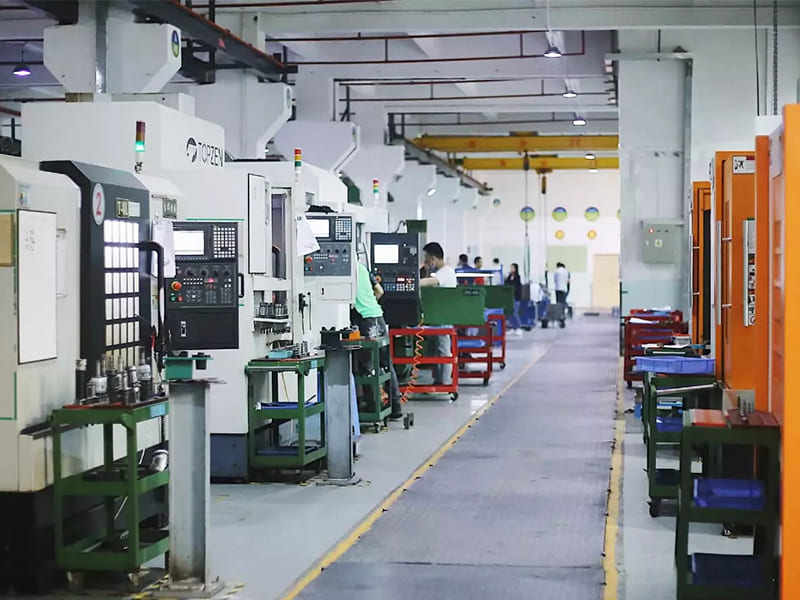
Rapid Protos’ factories and partnered parts manufacturers have passed ISO9001:2015 certification. We strictly follow the requirements of the quality management system to meet your high-precision, high-quality parts manufacturing needs.
References:
ISO 9001:2015(en) Quality management systems — Requirements
About the Author: Gavin Xia