Metal fabrication is the process of turning raw metals into finished products. It is the backbone of modern industries, from building bridges and airplanes to creating smartphones and kitchen appliances. This field involves cutting, shaping, and assembling metals into structures or parts that meet specific needs.
Many people mix up metal fabrication and metal manufacturing. Manufacturing usually refers to mass production on a factory line, while fabrication focuses on creating custom or complex components. Both are important, but fabrication is what allows engineers and designers to bring unique ideas to life.
This guide will walk you through what metal fabrication is, how it works, the materials involved—like stainless steel fabrication, aluminum fabrication, and iron fabrication—and why it matters across industries.
What Is Metal Fabrication?
Metal fabrication is the process of designing, shaping, and assembling metals into usable items. It can be as simple as bending sheet metal into ducts or as advanced as precision metal fabrication for aerospace parts.
Fabrication combines several steps: design, cutting, forming, welding, machining, finishing, and assembly. Unlike machining, which often removes material, fabrication is about building and shaping.
One of the most common methods is sheet metal fabrication. When people ask “what is sheet metal fabrication,” the answer is straightforward: it is the process of cutting and bending thin sheets of metal to create useful products. This approach is widely used in automotive panels, HVAC systems, and consumer appliances.
The History and Evolution of Metal Fabrication
Metal fabrication has a long history.
- Ancient Beginnings: Early humans forged weapons and tools from bronze and iron, laying the foundation of iron fabrication techniques.
- The Industrial Revolution: The invention of steam engines and machinery transformed how metals were produced, introducing mass welding and large-scale industry metal fabrication.
- 20th Century: Automation and CNC machining changed the landscape. CNC metal fabrication became essential for precision and consistency.
- 21st Century: Today, advanced lasers, robotics, and AI-driven systems define the field. Fabrication is faster, more accurate, and more cost-efficient than ever before.
How Does the Metal Fabrication Process Work?
Design Phase
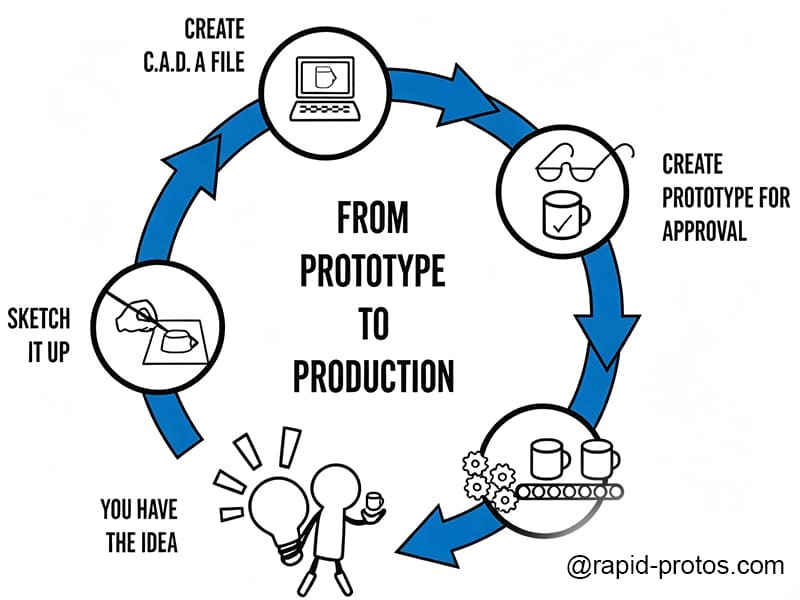
Every project starts with a design. Engineers use CAD software to draft detailed blueprints. This step defines materials, tolerances, and the final shape of the part.
Prototyping and Programming
Before full production, prototypes are tested for performance and accuracy. CAM software and CNC programming guide machines to execute cuts and bends precisely. This is the foundation of CNC metal fabrication.
Core Fabrication Processes
- Cutting: Metals are cut with lasers, plasma, or water jets.
- Bending: Press brakes bend sheets into angles and curves.
- Welding: Heat or pressure joins two pieces of metal.
- Machining: CNC mills and lathes remove material for precise dimensions.
- Punching & Stamping: Machines create holes and detailed shapes.
- Forging & Casting: Metals are hammered or poured into molds.
- Shearing & Forming: Used for straight cuts and complex shapes.
- Finishing: Surface treatments improve durability and look. Metal finishing techniques include painting, powder coating, polishing, and anodizing.

Assembly
Finally, all components are joined together. Quality checks ensure accuracy before products are shipped or installed.
Types of Metal Fabrication
- Industrial Metal Fabrication: Large equipment, pipelines, and heavy machinery.
- Structural Metal Fabrication: Beams, columns, and supports for buildings and bridges.
- Commercial Metal Fabrication: Storefronts, office furniture, and signage.
- Sheet Metal Fabrication: Ducts, panels, and enclosures.
- Ornamental or Custom Metal Fabrication: Artistic gates, railings, and decorative structures.
Common Metals Used in Fabrication
- Carbon Steel: Strong, affordable, widely used in construction.
- Stainless Steel Fabrication: Corrosion-resistant, perfect for food, medical, and chemical industries.
- Aluminum Fabrication: Lightweight and flexible, used in aerospace, automotive, and electronics.
- Iron Fabrication: Traditional and durable, ideal for structural parts and tools.
- Copper, Brass, and Bronze: Excellent for electrical components and decorative items.
- Titanium, Magnesium, and Zinc: Strong, lightweight, and used in specialized industries.
Choosing the right material depends on strength, weight, resistance to heat and corrosion, and overall cost.
Tools and Technologies in Metal Fabrication
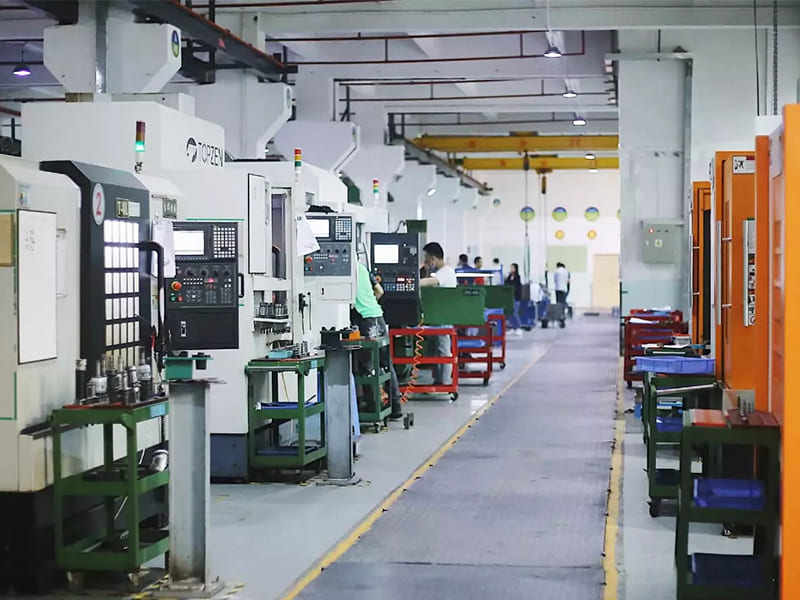
Modern fabrication relies on advanced metal fabrication equipment.
- CAD and CAM software for design and planning
- CNC machines for precise cutting and machining
- Laser and plasma cutting systems
- Waterjet cutting for delicate materials
- Robotic welding and automation for speed and accuracy
- Quality inspection tools for consistency
Applications of Metal Fabrication
Metal fabrication touches nearly every industry:
- Construction and Infrastructure: Beams, bridges, and building frames
- Automotive Industry: Car bodies, exhaust systems, and frames
- Aerospace and Defense: Aircraft panels, landing gear, and weapons systems
- Electronics and Consumer Goods: Computer cases, smartphones, and appliances
- Energy Sector: Wind turbines, oil rigs, and pipelines
- Medical Equipment: Surgical tools, hospital beds, and scanners
- Industrial Machinery: Equipment for factories and production lines
- Art and Design: Sculptures, furniture, and custom installations
Advantages of Metal Fabrication
- Durability and long service life
- Design flexibility for custom projects
- High accuracy through precision metal fabrication and CNC methods
- Wide variety of materials to choose from
- Cost-effective for large volumes
- Ability to combine function with aesthetics
Challenges and Considerations
- Cost vs. Quality: High precision often means higher prices
- Material Selection: Choosing the wrong metal can reduce performance
- Skilled Labor: Training and experience are essential for quality work
- Safety Risks: Fabrication requires strict safety standards
- Sustainability: Recycling and eco-friendly metal finishing techniques are becoming more important
Is Metal Fabrication Expensive?
The cost depends on material type, complexity, labor, and volume. Stainless steel fabrication is often more expensive due to material costs, while aluminum fabrication may be cheaper for lightweight projects. Custom CNC metal fabrication typically costs more than standard processes, but it ensures higher precision and reliability.

Metal Fabrication vs. General Manufacturing
- Metal Fabrication: Focuses on shaping metals into custom parts and structures
- Metal Manufacturing: Mass-produces identical items at scale
Both fields overlap but serve different needs—one is flexible and specialized, the other efficient for high volumes.
Conclusion
Metal fabrication is the hidden force behind the modern world. From skyscrapers and airplanes to laptops and surgical tools, it enables industries to innovate and grow. With processes ranging from iron fabrication to precision CNC metal fabrication, this field combines tradition with cutting-edge technology.
Understanding what is sheet metal fabrication, knowing how metal finishing techniques work, and recognizing the value of different materials help businesses and individuals make smarter choices. Metal fabrication is not just about shaping metals—it is about shaping the future.
FAQs about Metal Fabrication
1. What is the difference between steel fabrication and metal fabrication?
Steel fabrication deals only with steel, while metal fabrication covers all metals, including aluminum, copper, and titanium.
2. Is metal fabrication hard?
It requires skill, training, and the right metal fabrication equipment, but with modern CNC tools, the process is faster and more precise.
3. What industries need metal fabrication the most?
Construction, automotive, aerospace, electronics, and healthcare rely heavily on it.
4. What is the most common type of metal used?
Carbon steel is the most widely used due to its strength and affordability.
5. How does custom metal fabrication work?
Custom projects involve CAD design, prototyping, CNC programming, and a combination of fabrication steps like cutting, welding, and finishing to deliver unique results.
About the Author: Gavin Xia